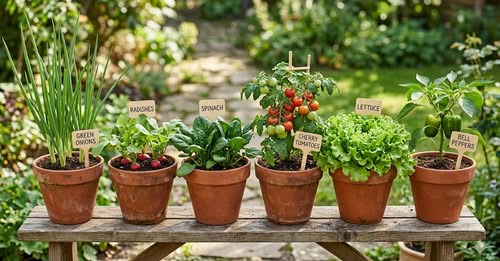
Buying groceries these days is getting more and more expensive. Families are really struggling, especially those who need food assistance. Aside from expense, how healthy are the foods in your local grocery stores? Are you aware that the tomatoes in your local store spend 4 to 10 days in transit and storage? That is the average time from them being picked to arriving at the store.
I grow vegetables in my garden every year, freezing and canning my produce. However, when I lived in a condo, I grew vegetables in pots on my patio. If you don’t have a patio, you can grow vegetables inside your home all year. All you need is a sunny window and pots.
I eat a lot of scallions (green onions). When I buy them, I simply cut off the bottom, the white part. Place it in a pot of potting mix, leaving the top part exposed to the air. Place the pot in a sunny window that gets 4-6 hours of direct light. Keep the soil moist; be sure not to let it get waterlogged. In 10-14 days, you will have scallions you can harvest. Cut off the top part as needed. It will continue to grow, giving you green onions all year.
Radishes grow faster than almost all other root vegetables and do well in shallow containers. Using a six-inch pot, you can grow fast-growing varieties like French Breakfast or Cherry Belle. Fill the pot with an aerated potting mix, place the seeds about an inch deep, and two inches apart. To prevent overcrowding, you have to thin the seedlings after they sprout. Radishes require bright light to develop their roots. Place the pots in a south-facing window. An alternative is to use full-spectrum grow lights for 12 hours a day. Keep the soil moist; overwatering can cause the roots to split or develop an overly spicy, woody texture. In 25 to 30 days, you can pull the radishes from the soil.
Spinach is very adaptable to indoor growing. Spinach prefers cooler temperatures and moderate lighting. Indoor temperatures between 60 and 70 degrees is perfect for growing spinach. Use a wide container with drainage holes, with a depth of four to five inches. Plant the seeds a quarter inch deep and keep the soil surface damp until the seeds germinate in about a week. Spinach needs 10 to 12 hours of light daily. You can harvest in 40 days. Snip the older outer leaves with clean scissors, leaving the inner crown. The plant will continue to produce fresh growth.
When it comes to cherry tomatoes inside, it’s best to use micro-dwarf varieties like Micro Tom, Orange Hat, or Tiny Tim. They grow into compact 12–18-inch plants. Normal-sized cherry tomatoes will grow into sprawling vines. Plant the seeds in high-quality potting mix within a one-gallon container. Tomatoes need 14-16 hours of LED grow lighting daily. Gently shake the stem every few days after the plant flowers to assist with pollination. Feed the plants every two weeks with a water-soluble tomato fertilizer. In 60 to 80 days, you will have sweet sun-ripened cherry tomatoes.
Loose-Leaf lettuce is low maintenance. Varieties like Black-Seeded Simpson, Buttercrunch, and Lollo Rosso grow as open rosettes. This allows you to harvest individual leaves without destroying the plant. Because of the shallow root system of lettuce, you can grow multiple plants in a wide, shallow container. Lettuce seeds need light to germinate, so don’t plant them too deep. 10 to 12 hours of artificial light or a bright room. When the leaves reach three to four inches in length, start harvesting. Picking the outer leaves keeps the plant growing.
Bell peppers are perennials; growing them indoors will provide peppers year-round for years to come. When grown outdoors, the plant dies from cold and frost. For best results, choose small varieties or sweet mini peppers. Start the seeds in a warm location or use a seeding heat mat to boost the temperature to 80 degrees until they germinate. When leaves develop, transplant the plants into a two-or three-gallon pots with drainage. Use grow lights or place them in an area that receives 14 hours of light. Let the top inch of soil dry out between waterings to prevent root rot. When the white flowers open, use a small, delicate paintbrush to transfer pollen from flower to flower. Every two weeks, use a liquid fertilizer during the active fruiting phase. Crunchy peppers will develop.
Give your budget a break, try growing these veggies and fruit, yes, tomatoes are classified as fruit. Just think: growing indoors allows you to enjoy fresh, uncontaminated produce all year.
Until next time,
Peace, Love, and Blessings❤️


Leave a Reply